
The last thing you want when you walk into the kitchen on a busy day, ready to make your morning cuppa, is a faint, dull patch staring up at you from the floor.
It’s hardly a disaster, but these small blemishes can make even the cleanest room feel a little tired.
Vinyl is wonderfully resilient, but like any hard flooring, it needs regular care to maintain its natural allure. To help you keep yours bright and shiny for years to come, let’s explore the most effective ways to clean, protect, and maintain vinyl floors.
What Makes Vinyl Flooring Unique
There’s a reason why vinyl flooring is popular across the UK. It’s affordable, long-lasting, easy to install, and available in various designs that imitate different finishes, from stone to hardwood.
Not only that, but it also endures daily wear with impressive resilience, thanks to its stain- and water-resistant properties. This makes it a top choice for families with young children or pets.
It also comes in sheets, tiles, and luxury planks, each offering unique advantages. Sheets provide broad, seamless coverage, making them ideal for kitchens or other rooms where spills and splashes are common.
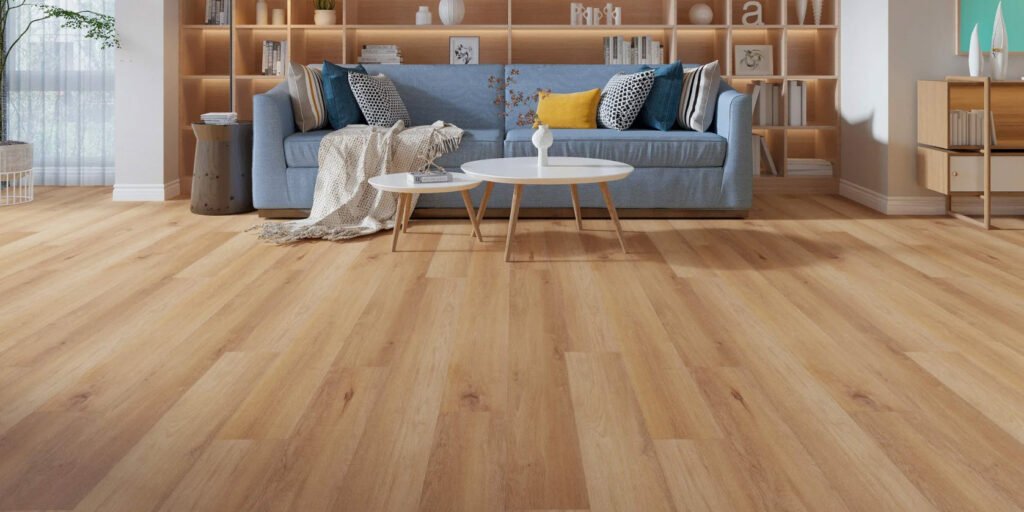
On the other hand, tiles give you crisp, defined patterns and the convenience of replacing individual pieces when needed. As for luxury planks, they provide a realistic, wood-like finish without the upkeep that real timber demands.
Vinyl’s appeal extends beyond practicality, though. It’s also a fan favourite among environmentally conscious homeowners, as it’s manufactured using fewer natural resources than many flooring alternatives.
Plus, its lasting durability reduces the need for frequent replacements, which contributes to a smaller environmental footprint over time.
However, despite its impressive resilience, vinyl still needs careful treatment to avoid scratches, scuffs, and dullness, which brings us to our next point.
How to Keep It Clean Day-to-Day
A consistent cleaning routine is the simplest way to keep vinyl looking fresh. Loose dirt and debris act like sandpaper when pressed against the surface, so you’ll need to remove them regularly to prevent scratches.
A soft broom or microfibre mop will do the trick in just a few minutes. If you want to spare your back the constant bending, you can use a vacuum cleaner. Just make sure it doesn’t have a rotating brush, as these can leave marks.
As for liquid spills, you need to wipe them as soon as they occur to prevent staining, particularly if you’re dealing with tomato sauce, tea, or wine.
A damp cloth is usually all it takes, but if the floor needs a little more attention, use a gentle cleaning solution designed specifically for vinyl. Avoid harsh chemicals and abrasive products, as they can weaken the protective coating over time.
How to Deep Clean Vinyl to Remove Stains
Even with regular sweeping and mopping, vinyl still needs a deeper clean every few weeks to restore its appearance and remove any lingering residue.
Stains often require a targeted approach. That’s normally a task for steam cleaners, but in this case, it’s actually inadvisable, as steam can melt the adhesive, causing vinyl planks and tiles to warp or separate.
Instead, mix a cup of pH-neutral cleaner with around four and a half litres of warm water. This simple DIY solution helps loosen stubborn grime safely. All you have to do is dip the mop into the mixture, wring it thoroughly, and work it across the floor in small, steady strokes.
If you’re dealing with greasy smudges, diluted washing-up liquid should lift them right off. As for tougher marks caused by dyes or ink, a mild paste of baking soda and water can cut through the discolouration.
To avoid oversaturation, apply your chosen treatment gently in small circles until the stain fades. And if you notice that the floor has lost some of its shine over time, buff it with a clean, dry microfibre cloth. Avoid oil-based products, as they can leave residue and attract dirt.
If you’re not confident in your ability to avoid damage, you can easily find a cleaner who knows which solutions are most appropriate for your home.
How to Extend Your Floor’s Lifespan
Proper maintenance isn’t only about cleaning. With a few smart and simple habits, you can keep your vinyl flooring in excellent condition for as long as possible.
Furniture pads are particularly helpful. Chairs, tables, and storage units can leave small indentations or scratches when moved. To protect the underlying surface, all you need to do is place felt pads beneath the legs and replace them when they begin to wear down.
Entrance mats are another practical defence. They trap dirt and mud before they reach the floor, especially during wet weather. To reduce the amount of debris entering your home, place them at both external and internal doorways.
Encouraging visitors to wipe their shoes or remove them altogether, if appropriate, also helps minimise premature wear.
If possible, try to maintain stable indoor conditions and limit direct, intense sunlight, as extreme fluctuations can cause the vinyl to shrink or warp over time.
Rugs can also protect the flooring, but only if you move them occasionally. Leaving one rug in the same place for too long can create uneven fading if sunlight always hits the room from a particular angle.
To promote even wear, make it a habit to adjust their position now and then.
Last but not least, consider applying a manufacturer-approved finish rather than traditional wax if your floor is on the older side. Just make sure to read the label carefully and follow the recommended application method for the best results.
Conclusion
Keeping your vinyl flooring in good shape is easier than you think.
As long as you mop up spills quickly and give the floor some extra love when it starts to look tired, it’ll stay smooth and bright for many more years to come.
It’s a low-maintenance partnership, really—you give it a little care, and it keeps your home looking brilliantly put-together. Not a bad trade for a little upkeep!